Why Is It Called Dirty Rice? Unpacking the Cajun Classic
Step into any true Louisiana kitchen, and you’re bound to encounter the rich, complex aromas of a beloved Southern staple: dirty rice. This iconic dish, with its distinctive color and hearty flavor, has captivated palates for generations. But for those new to its charm, one question often arises: why exactly is it called dirty rice? The answer, as fascinating as the dish itself, lies deep within its traditional preparation and the resourceful spirit of Cajun cooking. Far from being a derogatory term, "dirty" is a loving descriptor that hints at the incredible depth of flavor packed into every spoonful.
What Exactly is Dirty Rice? A Culinary Gem from the Bayou
At its heart, dirty rice is a savory, one-pot wonder hailing from the vibrant Cajun communities of southern Louisiana. It’s a dish celebrated for its robust taste and, of course, its signature "dirty" brown appearance. Typically, a classic dirty rice recipe features long-grain white rice cooked with a flavorful medley of browned meats – often including ground pork, beef, and traditionally, chicken livers – alongside the foundational "Holy Trinity" of Louisiana cooking: onions, bell peppers, and celery. A generous blend of aromatic spices ties it all together, transforming humble ingredients into something truly extraordinary.
This isn't just a side dish; it's a testament to culinary ingenuity, born from a culture that masterfully crafts incredible meals from readily available resources. The end result is a deeply satisfying, full-flavored dish that serves equally well as a comforting weeknight dinner or a crowd-pleasing addition to holiday feasts. Its unique taste and texture make it an indispensable part of any exploration into authentic Southern comfort food.
The Iconic "Dirty" Hue: Unraveling the Name
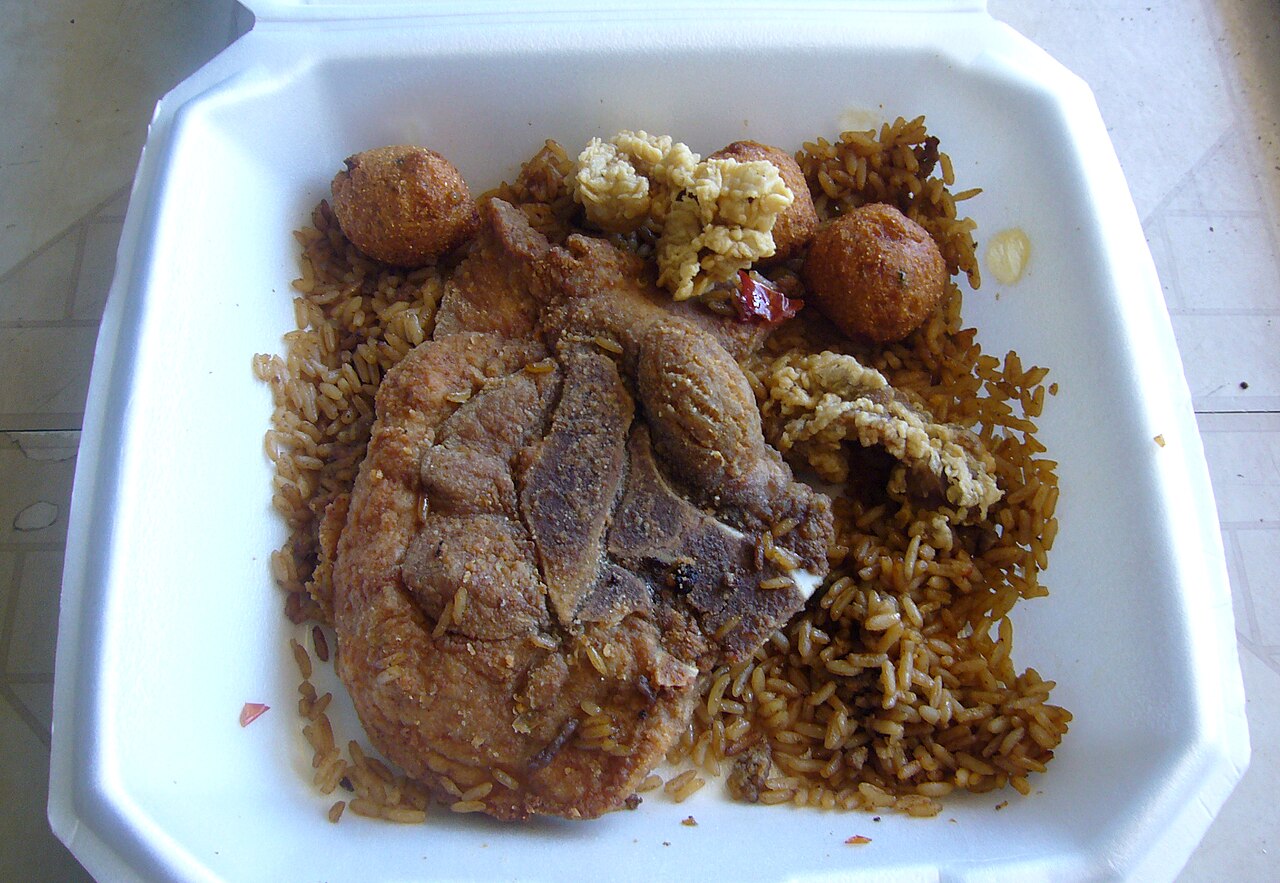
The name "dirty rice" is a direct and affectionate nod to its visual characteristic: the dark, brownish tint the rice acquires during the cooking process. This isn't due to any actual uncleanliness, but rather a beautiful consequence of flavor development. So, how does the rice get its "dirty" look?
The traditional method hinges on a few key elements:
*
Chicken Livers: Historically, and in many authentic
easy homemade dirty rice recipes, chicken livers are a crucial component. When finely chopped and thoroughly browned with other ground meats, they break down during cooking. As they cook, the livers release rich pigments and incredible flavor, which then permeate and "stain" the white rice, giving it that characteristic brownish-gray, or "dirty," hue. This process is essential not just for color but for an unparalleled depth of savory, slightly gamey flavor that true dirty rice enthusiasts cherish.
*
Browning of Meats and Spices: Beyond chicken livers, the intensive browning of ground beef, pork, or a combination of both also significantly contributes to the color. When meats are properly caramelized in the pot, they form a rich, dark fond (the browned bits at the bottom of the pan). As liquids are added, this fond is deglazed, infusing the entire dish with deep color and intense umami. Furthermore, the dark hues of Cajun spices and herbs, cooked into the mixture, further enhance the "dirty" appearance.
*
Flavor Absorption: The rice acts like a sponge, absorbing all these flavorful, dark liquids and particulates from the browned meats, vegetables, and spices. This absorption isn't just about color; it’s about infusing every grain with the robust, complex taste profile that defines dirty rice.
While some modern iterations might skip the chicken livers, opting for just ground beef or pork, the essence remains the same: the extensive browning and simmering of flavorful ingredients cause the rice to take on a darker, "dirty" color, signaling a dish that's incredibly rich in taste. Purists might argue that without the livers, it's not truly dirty rice, but the spirit of a highly seasoned, meat-infused rice dish endures across many delicious variations.
A Culinary Journey to Cajun Country: The Roots of Dirty Rice
Dirty rice isn't just a dish; it's a narrative of survival, resourcefulness, and flavor that traces its origins back to the heart of Louisiana's Cajun country. The Cajun people, descendants of French Acadians exiled from Canada, settled in the bayous and prairies of southern Louisiana, where they adapted their culinary traditions to the local ingredients and environment.
Cajun cooking is fundamentally about making the most of what's available. In a time when nothing was wasted, organ meats like chicken livers were not only economical but also highly prized for their rich flavor and nutritional value. Dirty rice emerged as a brilliant way to transform these ingredients, along with readily available rice and garden vegetables, into a hearty, satisfying, and incredibly flavorful meal. It embodies the concept of "nose-to-tail" eating long before it became a trendy culinary movement.
Over time, dirty rice evolved from a rustic, everyday dish into a beloved staple enjoyed at family gatherings, local festivals, and restaurants across Louisiana and beyond. It’s a dish that symbolizes community, comfort, and the enduring spirit of Cajun culture. While the specific
dirty rice recipe might vary slightly from one family to another, the core elements of flavor, texture, and that signature "dirty" look remain consistent.
Crafting Your Own Cajun Classic: Essential Ingredients and Tips
Creating an authentic dirty rice recipe at home is a rewarding experience, blending simple ingredients into complex flavors. While the name might imply complexity, the process is surprisingly straightforward, focusing on building layers of taste.
The Holy Trinity of Louisiana Cooking
The foundation of nearly all Cajun and Creole dishes, including dirty rice, is the "Holy Trinity" – a perfectly balanced trio of aromatic vegetables:
*
Onion: Provides a sweet and pungent base.
*
Bell Pepper: Adds a fresh, slightly bitter, and aromatic note. Green bell peppers are traditional, but red can add a touch of sweetness.
*
Celery: Contributes a subtle, earthy, and savory depth.
For an in-depth guide on mastering these essential ingredients, explore our article on
Authentic Dirty Rice Ingredients: Master the Holy Trinity. Finely dicing these vegetables is key, allowing them to meld seamlessly into the rice without dominating the texture.
The Meats and Seasonings
Beyond the Holy Trinity, the choice of meats and spices defines the character of your dirty rice:
*
Meats: A combination of ground pork and beef is common, often paired with finely chopped chicken livers for that traditional flavor and color. For those wary of organ meats, ground sausage or even ground turkey can be used, though the flavor profile will differ.
*
Spices: Cajun seasoning blends, cayenne pepper, garlic powder, onion powder, paprika, and dried herbs like thyme and oregano are crucial for that signature Louisiana kick. Don't be shy with the seasoning; dirty rice is known for its bold flavors.
Tips for a Perfect Dirty Rice Recipe:
- Brown Your Meats Thoroughly: This is critical for flavor and color. Allow the meats to develop a deep brown crust at the bottom of the pot before deglazing. This fond is liquid gold for your dish.
- Don't Rush the Trinity: Sauté the onions, bell peppers, and celery until they are softened and translucent, allowing their natural sweetness to emerge and form a strong aromatic base.
- Toast Your Rice: Briefly sautéing the uncooked rice with the vegetables and meat mixture before adding liquid helps to develop a nutty flavor and ensures each grain is coated in flavor, preventing stickiness.
- Use the Right Liquid: Chicken broth or stock is preferred over water, as it adds another layer of savory depth to your dirty rice recipe.
- Simmer, Don't Boil: Once the liquid is added, bring it to a gentle simmer, then cover and cook on low heat. This ensures the rice cooks evenly and absorbs all the flavors without becoming mushy.
- Rest Before Serving: Let the dirty rice rest, covered, for 5-10 minutes after cooking. This allows the steam to redistribute, resulting in perfectly fluffy grains.
Beyond the Name: Why Dirty Rice Endures
Dirty rice is more than just a clever name; it's a culinary experience that transcends its humble origins. It's the ultimate Southern comfort food – hearty, deeply flavorful, and incredibly satisfying. Its ability to stretch ingredients, provide sustenance, and bring immense joy to the dinner table is why it remains an enduring classic. Whether you're gathering for a Tuesday night dinner or celebrating a special holiday, a well-made dirty rice recipe has the power to transport you straight to the heart of Louisiana with every delicious bite. Its versatility, robust taste, and comforting appeal guarantee its place as a cherished staple for generations to come.
Conclusion
So, why is it called dirty rice? The answer is simple yet profound: it's a testament to the magic of Cajun cooking, where humble ingredients are transformed through meticulous browning, simmering, and seasoning into a dish of unparalleled depth and character. The "dirty" color is a visual promise of the rich, savory flavors locked within each grain of rice, a delicious consequence of tradition and culinary artistry. Understanding the origin of its name only enhances the appreciation for this truly magnificent Southern classic. If you haven't yet experienced the warmth and flavor of dirty rice, now is the perfect time to explore this iconic dish and bring a taste of the bayou into your own home.