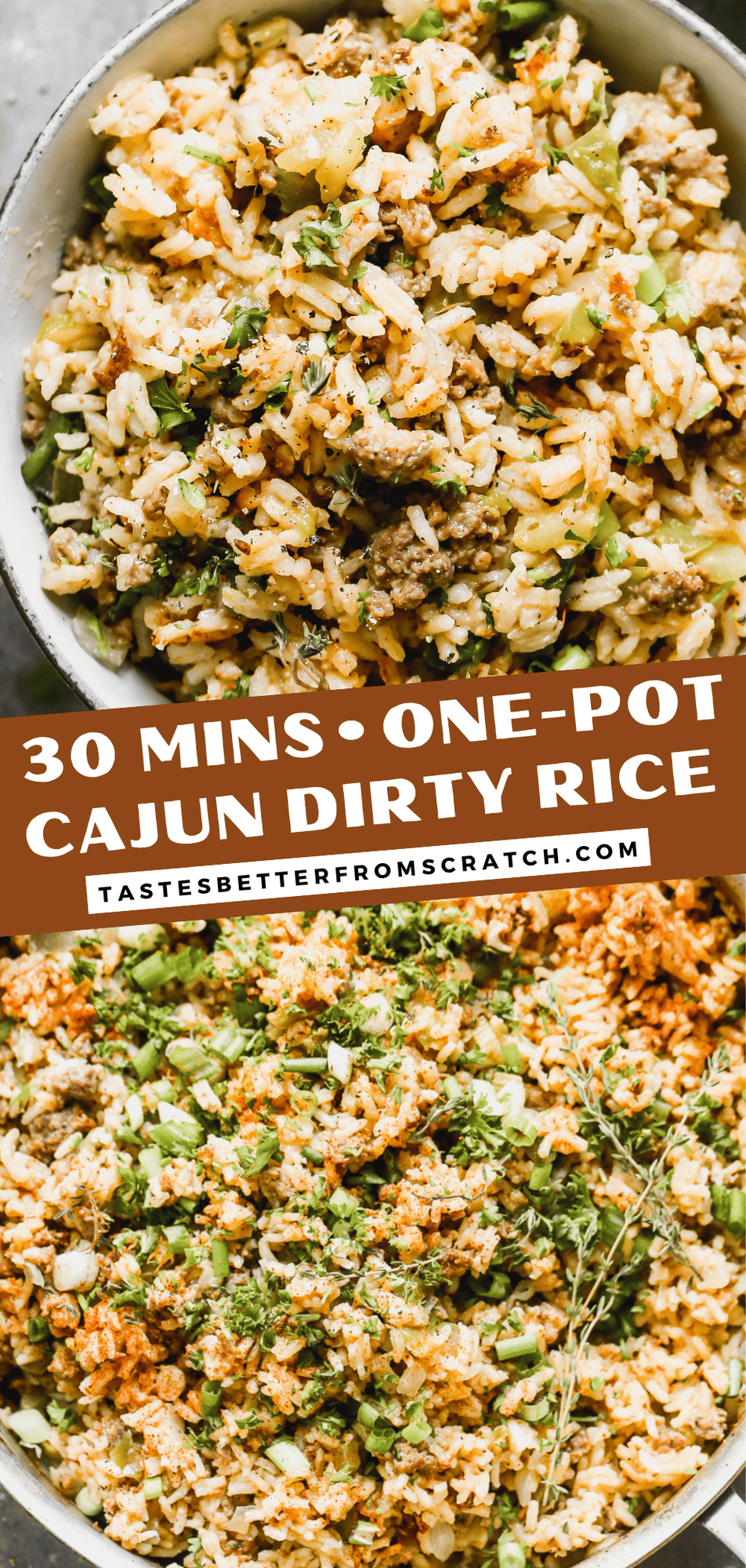
There's something uniquely comforting about a dish that tells a story with every bite. Enter Dirty Rice, a true Southern classic that effortlessly transforms humble ingredients into a rich, flavorful experience. This iconic Louisiana creation, with its distinctive dark hue and robust taste, is more than just a meal; it's an invitation to savor the soul of Cajun cooking right in your own kitchen. Whether you're a seasoned chef or a kitchen novice, mastering an authentic dirty rice recipe is surprisingly accessible, promising a one-pot wonder that’s perfect for everything from a busy Tuesday evening to a festive holiday gathering.
Its charm lies not just in its deliciousness but also in its deceptive simplicity. You don't need exotic ingredients or advanced culinary degrees to conjure up this taste of the bayou. Instead, it relies on a harmonious blend of everyday staples, cooked with a touch of Southern magic. Get ready to embark on a culinary journey that will bring the warmth and character of Louisiana right to your dinner table with an easy, homemade dirty rice recipe.
What is Dirty Rice? A Glimpse into Cajun Heritage
At its heart, dirty rice is a celebrated dish from Louisiana's vibrant Cajun kitchens. Characterized by its appealing brown, almost "dirty" appearance, and its profoundly savory flavor, it’s a masterful blend of long-grain white rice, seasoned ground meats, and a colorful medley of aromatic vegetables. This combination doesn’t just create a meal; it crafts a unique texture and taste profile that's both hearty and incredibly satisfying.
The beauty of dirty rice lies in its ability to elevate simple components into something extraordinary. The "dirty" brown color, far from being unappetizing, is actually a visual testament to the deep infusion of flavor the rice absorbs during cooking. As the browned meats, spices, and other ingredients simmer together, they naturally impart their rich hues and essence to the rice, resulting in a dish that looks as inviting as it tastes. It's a culinary representation of Cajun resourcefulness – making something truly amazing from what’s readily available.
A Culinary Journey from the Bayou: The History and Heritage of Dirty Rice
The roots of dirty rice run deep into the fertile soil of southern Louisiana, specifically within its thriving Cajun communities. This dish is a perfect example of the ingenuity and 'make-do' philosophy that defines Cajun culture. Originally, it was a creation born out of necessity and resourcefulness, where cooks utilized every available ingredient, particularly less-desirable cuts of meat and organ meats, to prevent waste and create nourishing, flavorful meals for their families.
Over generations, dirty rice evolved from a practical necessity into a beloved cultural staple. Its foundation, like many other iconic Cajun and Creole dishes, is built upon the "Holy Trinity" of Louisiana cooking: onions, bell peppers, and celery. These three unassuming vegetables, when combined with various meats and rice, transcend their individual components to form a dish that is deeply comforting and incredibly satisfying. Today, dirty rice is ubiquitous throughout Louisiana and has found its way onto menus and dinner tables far beyond the state's borders. While recipes might vary slightly from one family kitchen to another, the soul of the dish—its rich flavor, comforting texture, and ability to bring people together—remains constant.
Unpacking the Name: Why "Dirty" Rice?
The name "dirty rice" often sparks curiosity, but its origin is straightforward and truly tells the story of the dish. The term comes directly from its distinctive appearance: the rice takes on a dark, brownish hue, making it look "dirty" in contrast to plain white rice. This characteristic color is a badge of honor, signaling the deep flavor embedded within every grain.
Traditionally, the primary culprit for this staining effect is chicken livers. When finely chopped and browned along with other meats and spices, the livers break down during cooking, releasing their rich color and distinctive flavor, which then permeates and stains the rice. Classic dirty rice recipes often combine chicken livers with ground beef or pork, browning these meats thoroughly with a medley of aromatic spices. As the rice cooks in this flavorful mixture, it naturally absorbs all these essences, transforming into the beloved brown, "dirty" dish.
While traditionalists often insist on the inclusion of chicken livers for that authentic color and pungent depth, many modern and family-friendly versions opt to use only ground beef, pork, or a mix, skipping the organ meats entirely. Even without the livers, the browned ground meat and generous use of spices still contribute a significant amount of color and, more importantly, flavor, capturing the essence of the dish. Ultimately, the "dirty" in dirty rice isn't about being unhygienic; it's about being profoundly flavorful, a visual cue that this rice is truly steeped in a rich, savory experience. For a deeper dive into the fascinating etymology and cultural significance behind this dish's name, you might enjoy reading Why Is It Called Dirty Rice? Unpacking the Cajun Classic.
Essential Ingredients for Your Authentic Dirty Rice Recipe
To craft an authentic dirty rice recipe, you need a specific set of ingredients that together create that unmistakable Louisiana flavor. While every family boasts its unique rendition, certain components are non-negotiable for achieving genuine depth and character. Let's explore the key players that make dirty rice truly special.
The Holy Trinity: The Soul of Cajun Cooking
The undisputed foundation of almost all Cajun and Creole dishes, the "Holy Trinity" – onion, bell pepper, and celery – is absolutely crucial for an authentic dirty rice recipe. These vegetables aren't just fillers; they provide the aromatic base and essential flavor profile that defines the cuisine.
- 1 large onion, finely diced: The backbone of the sweetness and savory depth.
- 1 medium bell pepper (green is traditional for its classic flavor, but red or yellow can add sweetness): Contributes a fresh, slightly pungent note and vibrant color.
- 2-3 stalks of celery, finely chopped: Adds a subtle, earthy crispness and balances the other flavors.
Tip: The traditional ratio for the Holy Trinity is often 2:1:1 (two parts onion to one part each of bell pepper and celery). Fine dicing is key here; you want these vegetables to melt into the rice, not stand out as chunky pieces.
The Meats: Hearty & Flavorful
The meat component is what truly gives dirty rice its richness and its "dirty" color. A combination is often preferred for layered flavor.
- Ground Meat: Ground pork, ground beef, or a mixture of both are excellent choices. They provide the savory base and texture. About 1 pound is standard for a family-sized batch.
- Chicken Livers (Optional but Traditional): For that truly authentic, deeply earthy flavor and signature color, finely chopped chicken livers are traditional. If you're hesitant, you can use less or omit them entirely, but they do add an unparalleled depth.
- Sausage (Optional): Some recipes incorporate finely crumbled breakfast sausage or spicy Andouille sausage for an extra kick and texture.
The Spices: Bringing the Heat and Soul
Without the right blend of spices, dirty rice wouldn't have its signature kick. Cajun or Creole seasoning is paramount.
- Cajun or Creole Seasoning: A good quality blend (like Tony Chachere's or Zatarain's) is essential. It typically contains paprika, garlic powder, onion powder, cayenne pepper, black pepper, and salt. Adjust to your spice preference.
- Garlic: Freshly minced garlic adds an aromatic punch. Don't skimp!
- Other Seasonings: Worcestershire sauce, hot sauce (like Tabasco), bay leaves, and fresh parsley for garnish all contribute to the final flavor profile.
Beyond these, you’ll need long-grain white rice and chicken or beef broth to cook the rice perfectly. Understanding the role of each ingredient is vital for crafting an authentic and delicious dirty rice. For a more detailed exploration of these foundational elements, be sure to read our guide on Authentic Dirty Rice Ingredients: Master the Holy Trinity.
Crafting Your Easy Homemade Dirty Rice: A Step-by-Step Philosophy
Making dirty rice is a process of building flavors, layer by layer. It typically begins with browning your chosen meats in a large skillet or Dutch oven. This step is crucial for developing deep, rich flavors and that coveted "dirty" color. Once the meats are beautifully browned, excess fat is usually drained, and then the star trio – the onions, bell peppers, and celery – are added to the pot. Sautéing these until they are soft and translucent forms the aromatic foundation of the dish.
Next comes the garlic and a generous dose of Cajun/Creole seasoning, stirred in to toast briefly and release their potent aromas. This is where the magic truly starts to happen. After a quick sauté, the rice is added and stirred to coat each grain in the flavorful mixture. Finally, broth is poured in, the pot is brought to a simmer, covered, and allowed to cook gently until the rice is tender and has absorbed all the incredible flavors, transforming into its signature "dirty" hue. The beauty of this one-pot approach is how all the ingredients meld together, creating a harmonious and deeply satisfying meal with minimal fuss.
Tips for the Perfect Dirty Rice Every Time
- Don't Rush the Browning: Take your time to properly brown the meats. This develops the deep, savory flavor (Maillard reaction) that is essential for dirty rice. If using chicken livers, ensure they are finely minced and cooked until they almost dissolve, contributing maximum flavor and color.
- Fine Dice the Trinity: Ensure your onions, bell peppers, and celery are uniformly and finely diced. This allows them to soften and almost melt into the rice, distributing their flavors evenly without being overly chunky.
- Adjust Spice to Taste: Cajun seasoning can vary in heat. Start with a recommended amount, then taste and adjust. You can always add more cayenne pepper or hot sauce at the end if you prefer a spicier kick.
- Perfect Rice Absorption: Use good quality long-grain white rice. Avoid over-stirring once the liquid is added and the pot is covered, as this can make the rice gummy. Let it steam undisturbed for fluffy results.
- Let it Rest: Once cooked, turn off the heat and let the dirty rice rest, covered, for 5-10 minutes. This allows the steam to redistribute, resulting in perfectly tender and separated grains.
- Make Ahead and Freeze: Dirty rice is an excellent make-ahead dish. It reheats beautifully and freezes well, making it perfect for meal prep. Store in an airtight container for up to 3-4 days in the fridge, or several months in the freezer.
This easy homemade dirty rice recipe is more than just a meal; it's an experience. It's a journey into the heart of Southern comfort food, a testament to how simple ingredients, combined with care and tradition, can create something truly extraordinary. Its bold flavors, hearty texture, and comforting warmth make it a perfect dish for any occasion, promising to satisfy appetites and nourish souls. So, gather your ingredients, fire up your stove, and get ready to enjoy a taste of authentic Louisiana right in your own home. Your taste buds (and your family) will thank you!
