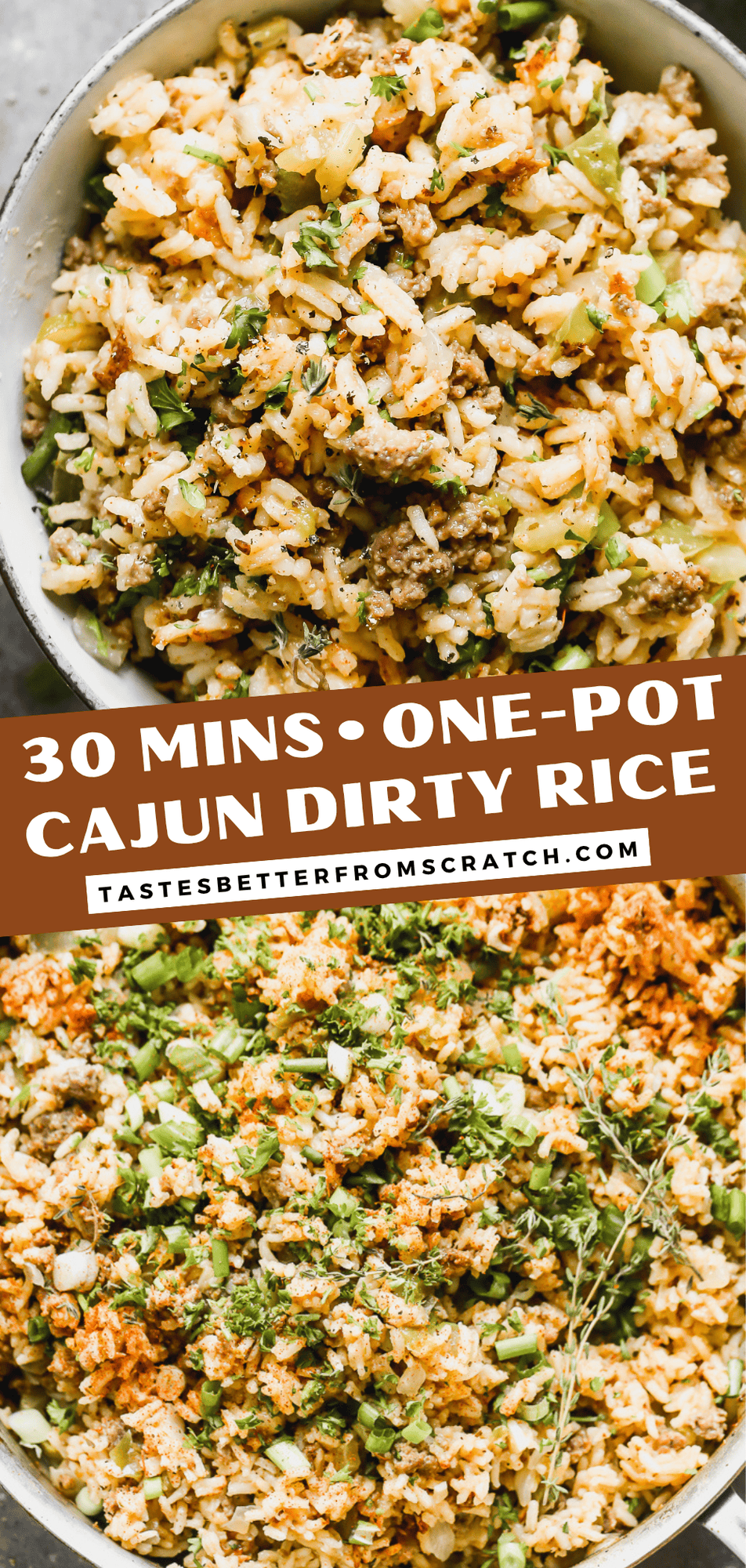
There's a special magic in Southern cooking, an alchemy that transforms humble ingredients into dishes brimming with soul and flavor. Among these culinary treasures, dirty rice stands out as a true testament to Louisiana's rich heritage. This iconic dirty rice recipe is not just a meal; it's a story told through layers of savory meat, aromatic vegetables, and perfectly seasoned rice, culminating in a dish whose 'dirty' appearance belies its utterly delicious character. If you've ever savored its complex flavors and wondered what makes it so irresistible, you've come to the right place. Today, we'll dive deep into the essential ingredients that forge authentic dirty rice, with a spotlight on the foundational trio known as the Holy Trinity.
Dirty rice, a beloved one-pot wonder, is renowned for its earthy brown hue and robust taste. Originating from the resourceful kitchens of Cajun Louisiana, it embodies the spirit of making something extraordinary from simple, readily available components. While countless variations exist, mastering the core ingredients is key to unlocking its genuine Southern charm. Prepare to embark on a flavorful journey that will guide you in crafting this comforting classic right in your own kitchen.
What Exactly Makes Rice "Dirty"? Unpacking a Cajun Classic
Before we delve into the ingredients, let's understand the essence of dirty rice. At its heart, dirty rice is a savory rice dish typically made with long-grain white rice, cooked with browned meats (often including organ meats like chicken livers), and a medley of finely diced vegetables. The "dirty" moniker comes directly from its distinctive, speckled brown color. This hue is not a sign of impurity but rather a badge of honor, indicating that the rice has absorbed all the rich, dark flavors from the well-browned meats and spices it's cooked with. For a deeper dive into the origins of its intriguing name, you might find our article on Why Is It Called Dirty Rice? Unpacking the Cajun Classic particularly enlightening.
This dish is a hallmark of Cajun cuisine, a testament to a culture that prides itself on creating incredibly flavorful meals from local ingredients and traditional techniques. It showcases how a mix of humble components can come together to create a dish far greater than the sum of its parts. It's comfort food at its finest, equally at home on a Tuesday night dinner table or as a star attraction at holiday gatherings.
The Holy Trinity: The Soul of Authentic Dirty Rice
In the world of Cajun and Creole cooking, there's a sacred trio of vegetables that forms the aromatic backbone of almost every savory dish: the "Holy Trinity." Just as Mirepoix is to French cuisine or Soffritto to Italian, onions, bell peppers, and celery are the non-negotiable starting point for authentic dirty rice. These vegetables don't just add bulk; they create a complex, aromatic base that infuses the entire dish with depth and character.
- Onion: Often considered the patriarch of the Trinity, onion provides a foundational sweetness and pungency. When finely diced and sautéed, it caramelizes slightly, releasing sugars that contribute to the dish's overall richness and complexity. For a large batch, a substantial finely diced onion is crucial.
- Bell Pepper: Green bell pepper is traditional, offering a slightly bitter, earthy freshness that balances the sweetness of the onion and the richness of the meat. Some modern dirty rice recipes might opt for red bell pepper for a sweeter note and vibrant color, but green maintains that classic Cajun profile. A medium, finely diced bell pepper is usually sufficient.
- Celery: The unsung hero, celery brings a distinct earthy aroma, a subtle salty note, and a delicate crunch (though it softens beautifully during cooking). It acts as a bridge, harmonizing the flavors of the onion and bell pepper while adding its unique herbaceous depth. Two to three finely chopped stalks are ideal.
Pro Tip: Mastering the Dice: For the Holy Trinity to truly meld into the dirty rice without overwhelming it, precise fine dicing is key. The goal is for the vegetables to almost melt into the rice, releasing their flavors without leaving large, distinct chunks. Aim for pieces roughly the size of a grain of rice or slightly larger. The traditional ratio for the Holy Trinity in Cajun cooking is often 2:1:1 — two parts onion to one part each of bell pepper and celery. Adhering to this ratio ensures a balanced flavor profile that supports, rather than competes with, the other ingredients.
Beyond the Trinity: Meats and Seasonings that Define the Dish
While the Holy Trinity sets the stage, the meats and seasonings are the dramatic performers that give dirty rice its signature "dirty" look and unforgettable flavor. This is where tradition and personal preference truly shine in any good dirty rice recipe.
The Meaty Heart: Traditional vs. Modern Choices
Historically, dirty rice was a way to utilize all parts of an animal, making it incredibly economical and flavorful. This meant organ meats often played a central role.
- Chicken Livers: The most traditional and defining ingredient for the "dirty" color and rich, unmistakable flavor. When browned and then finely chopped or mashed, chicken livers break down and 'stain' the rice, imparting a deep umami and metallic note that purists argue is essential. They are crucial for that authentic, earthy depth.
- Ground Pork or Beef: Often used in conjunction with chicken livers, or sometimes as a standalone option in more modern recipes. Ground pork brings a richness and slight sweetness, while ground beef offers a hearty, savory foundation. Both brown beautifully, contributing to the dark color and robust taste. Many approachable recipes, like our own Easy Homemade Dirty Rice: Authentic Southern Comfort Food, opt for ground beef for its universal appeal and ease of sourcing.
- Other Meats: Some variations might incorporate ground chicken, sausage (like Andouille), or even giblets, depending on regional preferences and what's available. The key is to brown the meat thoroughly to build a deep flavor base and contribute to the rice's signature color.
The Spice Signature: A Symphony of Southern Flavors
No Southern dish is complete without a generous hand of seasonings, and dirty rice is no exception. These spices elevate the ingredients from simple components to a complex tapestry of flavor.
- Cajun or Creole Seasoning Blend: This is your secret weapon. A good quality blend typically includes paprika, cayenne pepper, garlic powder, onion powder, dried oregano, and dried thyme. It provides the characteristic warmth, heat, and aromatic complexity.
- Individual Spices: Beyond a blend, you'll often add extra garlic (freshly minced is best), black pepper, and sometimes a bay leaf for depth. A dash of Worcestershire sauce can also enhance the umami profile.
- Salt: Essential for bringing all the flavors into harmony. Always taste and adjust as you cook.
The Rice Itself: While the meats and aromatics get all the attention, the choice of rice is also important. Long-grain white rice is the standard. Its individual grains cook up fluffy and distinct, allowing them to absorb all the delicious flavors and take on the "dirty" coloration without becoming mushy.
Crafting Your Authentic Dirty Rice Recipe: Tips for Success
Bringing all these authentic dirty rice ingredients together requires a methodical approach to build flavor layer by layer:
- Brown the Meat First: Whether using chicken livers, ground beef, or pork, ensure it's thoroughly browned and crumbled. This creates fond (the browned bits at the bottom of the pot) which is crucial for deep flavor.
- Sauté the Trinity: Once the meat is browned and possibly removed (or pushed to one side), add your finely diced Holy Trinity. Cook them down until softened and translucent, scraping up any fond from the bottom of the pot. This step is essential for releasing their aromatic compounds.
- Add Garlic and Spices: Stir in fresh minced garlic and your Cajun/Creole seasoning blend, cooking for just a minute until fragrant. This toasts the spices, intensifying their flavor.
- Integrate the Rice: Add the uncooked long-grain white rice, stirring to coat each grain with the seasoned fat and vegetables. This brief toasting of the rice helps prevent it from clumping and ensures a fluffier final texture.
- Liquid and Simmer: Pour in your liquid (chicken or beef broth is preferred for more flavor, or water). Bring to a boil, then reduce heat, cover, and simmer until the rice is tender and the liquid is absorbed. This is where the magic happens, and the rice takes on its "dirty" color.
Remember, an authentic dirty rice recipe is not just about following a list; it's about understanding the role each ingredient plays and how they interact to create that iconic Southern taste. Don't be afraid to adjust spice levels to your preference, but respect the foundational elements.
Conclusion
Authentic dirty rice is a culinary experience that transports you straight to the heart of Louisiana. From the unmistakable aroma of the Holy Trinity — onion, bell pepper, and celery — to the rich, savory depth provided by traditional meats like chicken livers and ground pork, every ingredient plays a vital role in crafting this beloved Southern comfort food. Understanding these core components is the first step toward mastering your own dirty rice recipe. So gather your ingredients, embrace the spirit of Cajun cooking, and get ready to create a dish that's rich in history, flavor, and Southern soul. Your taste buds will thank you!
